Showing posts with label food. Show all posts

Tuesday, March 22, 2011

March Crazy Salad (V)


Cooking skills focus: Roasting, sautéing, balancing flavors

Ingredients:
2 # baby red potatoes, cut in half
2 T cooking oil
Salt & pepper
2 t Ras El Hanout spice blend

2 # crimini (brown) mushrooms, quartered
4 T cooking oil
Salt and pepper

1 grapefruit, juiced
1 lemon, juiced
1-2 T olive oil
1 T Ras El Hanout
Salt and pepper

2 bu lacinato kale, sliced ½” thick
2 honeycrisp apples, medium diced (1/2” on a side)
3 bell peppers, julienned then cut in half
1 bu spring onion, sliced thinly

Instructions:
1. Preheat the oven to 375 degrees.
2. Toss the potatoes with the first 2 T cooking oil, salt, pepper, and 2 t Ras El Hanout. Put on a sheet pan and roast in the oven for 30 minutes or until golden brown.
3. Heat a large sate pan over high heat, then add the 3 T cooking oil. Add the mushrooms and sauté until browned, then set aside in a large bowl.
4. In a medium bowl, whish together the citrus juice, the olive oil, the last of the Ras El Hanout and season with salt and pepper.
5. Add everything to the large bowl, toss together, then toss with the dressing and serve.

Tuesday, November 30, 2010

Broccoli Madness Naked Casserole (V)

Cooking skills focus: Sauteeing, baking, balancing flavors

Ingredients:
2 T cooking oil
1 onion, sliced thinly
½ head garlic, cloves peeled & sliced thickly

5 broccoli crowns, quartered and sliced ½” thick
4 Yukon gold potatoes, cut into medium dice (1/2” on a side)
5 carrots, cut into half moons ¼” thick
4 T olive oil
½ C water
Salt & pepper TT (lots)
1 T besar spice blend

2 lemons, juiced
½ bu parsley, chopped fine

Instructions:
1. Preheat the oven to 400 degrees.
2. Heat a large sauté pan over high heat, then add the 2 T cooking oil. Add the onions and cook for 3-4 minutes, then add the garlic and cook 3-4 minutes more. Set aside.
3. In a large mixing bowl, combine the onions and garlic with all the remaining ingredients except the lemon juice and parsley. Season with salt, pepper and besar spice blend. Transfer to a baking dish, add the water, cover and bake in the oven for 45 minutes.
4. Top with the lemon juice and parsley and serve.

Note: You can get besar spice blend in Seattle at World Spice Merchants.

Green Bean, Caramelized Onion & Apple Salad (V)


Cooking skills focus: Knife skills, sauteeing, blanching, balancing flavors

Ingredients:
2 T cooking oil
2 yellow onions, sliced thinly
1/2 head garlic, cloves peeled & sliced thickly
salt & pepper TT
½ C water

1 1/2 # green beans, trimmed and cut into 2” pieces

3 carrots, trimmed & cut into half moons ¼” thick
1 head romesco cauliflower (a.k.a. broccoflower), diced ½” on a side
2 Fuji apples, cut into large dice (1/2” on a side)
3 T olive oil
1 lemon, juiced
salt & pepper TT

Instructions:
1. Bring a large pot of salted water to a boil. The water should taste salty like the ocean.
2. Heat a large saute pan over high heat. Add the 2 T cooking oil. Add the onions and saute on high heat for 5 minutes, stirring occasionally. Add the garlic. Drop the heat to low and season with salt and pepper. Cook over low, stirring occasionally for 10 minutes. Add the ½ C water and cook another 10 minutes. The onions and garlic should be dark and gooey. Set them aside.
3. When the water’s boiling, drop the green beans in and get ready to pull them out again after 2 minutes. Spread them on a sheet pan to dry and cool.
4. Combine all remaining ingredients.

Wednesday, November 3, 2010

Berbere Broccoflower & Mushroom Chips (V)

Ingredients:
2/3 lb. crimini mushrooms, sliced about 1/4" thick
3 T cooking oil
salt & pepper TT

1 T cooking oil
1/2 red onion, diced small
1 head broccoflower, core removed and cut about 1/2" on a side
salt & pepper TT
1 lemon, juiced
1 t berbere spice blend, or more TT

Instructions:
1. Preheat oven to 400 degrees.
2. Toss the mushrooms with the first 3 T cooking oil and season lightly with salt and pepper. Spread on a baking sheet and roast for 20 minutes or until well-browned and crispy. When they dry, they should be like thick chips in texture.
3. While the mushrooms are roasting, heat a large saute pan over high heat and add the last of the cooking oil. Add the onion and cook for 2-3 minutes, then drop the heat to medium-high, add the broccoflower and season with salt and pepper. Cook for about 5-7 minutes more, then add the lemon juice and berbere. Add the mushroom chips. Serve as a salad by itself or as a topping for something else.

Togarashi Braised Chicken Sandwich

Ingredients:
1 T cooking oil
6 chicken thighs or drumsticks

1/2 red onion, julienned
1/2 head garlic, cloves peeled and thickly sliced
1 bunch rainbow card, ribs and stems removed and leaves cut bite-sized

1/2 grapefruit, juiced
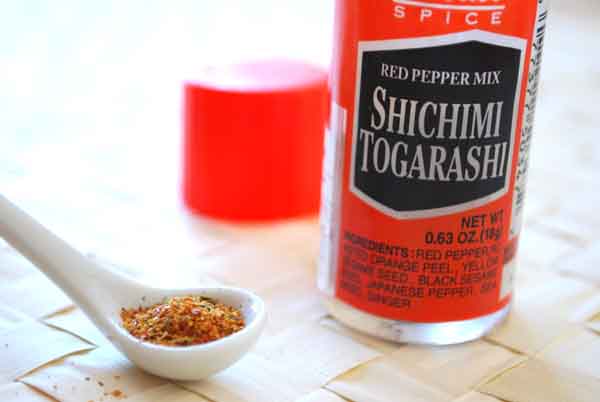
2 t togarashi shichimi powder (Japanese 7-spice), or to taste
1 t soy sauce, or to taste

Instructions:
1. Preheat oven to 375.
2. Heat a large saute pan over high heat. Add the oil when the pan is hot, then add the chicken and brown well. Remove to a small baking dish.
3. Heat the same pan again over medium-high heat, then add the onions. Cook for 3-4 minutes, then add the garlic and chard. Cook for 7 minutes more, then mix in with the chicken.
4. Cover the baking dish and braise the chicken and veggies for one hour. Pull the meat off the bones when they're cool enough to handle, then add the remaining ingredients and taste for seasoning. Make some sandwiches with this filling and some shredded carrots. Delicious!

Thursday, September 30, 2010

4. knife skills


(Part of The Cookbook)


An important revelation for me was that every knife cut you make in the prep phase affects the cooking phase. How could it be otherwise? The smaller the item you're cooking, the less time it takes to cook. Not just that, but the shape you cut things into affects their cooking, too. A carrot that's cut into long and flat planks will cook faster than the same-size carrot cut into cubes, because there's more surface area in the first shape to absorb heat. This is probably obvious to you, but I'm a bonehead sometimes.

So, by paying attention to the size of things I was cutting, I became a better cook. If you're cutting carrots, try to get them the same size and shape, and they will be ready at the same time. If you're cooking multiple things together (like you usually will), cut them so they'll be ready at the same time.

Cook this recipe a few times and you'll understand what I mean really well: Red Cabbage & Cashew Slaw, Stuffed Collard Greens and Red Quinoa with Caramelized Fennel

It's important to hold a knife correctly, but what you do with your other hand (your "guiding hand") is even more important. You must learn to use "the claw." You hold the item you're cutting, but you tuck your fingertips under your knuckles and you tuck your thumb behind your fingers. This feels really awkward at first, but it pays off, because if you keep your guiding hand in this position, it's nearly impossible to cut yourself. Eventually, you will develop a sense of your thumb or fingertips being in danger if you slip out of the claw position.

If you want lots of practice cutting things, buy a bag of potatoes. Practice your hand position and also practice dicing at the same time: Cut a flat bottom and rest the potato on it, then cut 1/2 inch wide planks, take the planks and cut them into 1/2 inch wide batons, then take the batons and cut them into 1/2 inch wide cubes. There, you just medium-diced a potato (small-dice is 1/4 inch on a side, and large-dice is 3/4 inch on a side). Repeat until you're out of potatoes, then make a bunch of mashed potatoes.

I hope you like mashed potatoes!

Monday, September 27, 2010

2. shop for meat


(Part of The Cookbook)


Caution: politics ahead.

Try to find a butcher shop you feel good buying meat from. You should be able to tell the butchers what you're planning to cook and have them recommend the right cut of meat and tell you the best way to cook it. (We'll go over cooking methods for meat later.) If there isn't one near you, go ahead and go to the supermarket for your meat. Wherever you go, do not purchase meat from factory farms. This is harder to do if you go to the supermarket, but it's possible if you're familiar with a few large-scale producers that are also sustainable. Chicken from Draper Valley Farms in Oregon and Washington is a great example. You should be able to get a little information about where your meat is coming from. At a good butcher, the name of the farm the meat came from will be right on the price tag. Or, you should be able to ask the butcher.

But most of the meat you'll find in the supermarket is garbage, the product of over-subsidized, over-produced commodity crops like corn, and the practices of huge agricultural corporations focused on making money at the expense of their products' nutritional value and their customers' health. Sustainabletable.org put together a great list of reasons to buy meat produced in a sustainable manner, here: http://www.sustainabletable.org/issues/  The list is even alphabetized.

You'll notice that "happy" meat looks healthier and smells better even before you cook it. It tastes better. That's because sustainable producers don't cut the corners that large conventional factory farms cut in order to drive their prices down. You'll also quickly notice that the meat is more expensive. Yep, that's what it costs to produce meat that isn't full of growth hormones and antibiotics, and packed into stacked cages or feedlots with such concentrations that their waste becomes impossible to contain. Remember the egg recall? The source of the salmonella was likely rodents getting into the chicken feed and pooping there. I remember an industry spokesperson defending their practice by saying something like, "You could have the same problem with pests whether you have an operation with a hundred or a million chickens." But which pest problem is easier to clean up? The sheer scale of such huge operations makes it nearly impossible to keep them clean and their products healthy for consumption. They do things to compensate, like feeding the animals antibiotics, washing their meat in chlorine baths or treating it with ammonia before you buy it, but those things aren't good for people, either.

Are they evil? I say no. They're responding to the public demand for lots of cheap meat. They're just selling us what they think we want so they can make money. I believe that the public demand needs an adjustment so it's more in line with our health needs.

So, good meat's expensive, but if you eat less of it,  you can easily afford it. Most American diets are really meat-heavy. If you do eat a lot of meat now, a good way to wean yourself off it a bit is to try cooking with smaller amounts of nicer meat and notice the difference in the way the food tastes and the way you feel afterwards. Your palate and your body cannot lie to you. Pay attention to them and you'll be rewarded.

And, we're off the soapbox now. Thanks for your patience.

Oh, what cuts of meat should you buy? Mostly things you can braise. They're cheap and really flavorful.

Sunday, September 26, 2010

0. have some basic ingredients on hand


(Part of The Cookbook)


Some things last for a recipe, like meats and produce. And some things last for several recipes, like these:

salt (kosher is best)
pepper (nice, freshly ground pepper makes a big difference in flavor)
high-heat cooking oil, like canola oil, vegetable oil, grapeseed oil or peanut oil
vinegar or extra lemons
unsalted butter
olive oil

I would say that if you're just getting started cooking from scratch, you need at least these things. You may think that it's a short list and if you think that, you're right. You use mostly fresh ingredients when you cook from scratch.

Thursday, September 23, 2010

September CK Digest

Hello fellow eaters!

Thanks to those who came out to the Senior Center Thursday night. I had a great time cooking with you! It was a lovely group, filling the kitchen with lots of fun and energy. The recipes are attached*, so if you couldn't make it, you should try them at home. Let me know how they work for you, or if you come up with a variation on one.

We made some delicious food. I like these recipes, although I was planning to go with a different theme until a couple days before the community kitchen. My original plan was to research the cuisines of a few different countries, select a few traditional dishes that I thought would use a reasonable amount of in-season produce, and cook those recipes. We'll probably do that next month, and I think that'll be a nice change from the usual completely new and sometimes unusual combinations.

But I didn't do that research! Failed! So what to do? I just went with my normal process for writing recipes for the CKs. We actually talked about it at the Thursday CK as we ate our salad, but I'd like to repeat it here:

First, I go to the produce stand. I go there first because produce is a bigger variable than meat (more seasonal) and because I like to cook food with a lot of veggies and a little or no meat, so once I get the produce together, I'll know exactly what meat to get. I look first in the "#2" or slightly blemished produce bins, which exist at (I think) all the produce stands in the Pike Place Market, and many stands at neighborhood farmer's markets, too. The availability of these cosmetically damaged but still very nutritious and cheap items is even more of a variable than the rest of the produce. So, by starting there and building around those first selected items, you're maximizing your food dollars already. Some places sell pre-packaged bags of slightly blemished produce instead of keeping them in bins.

Still at the produce stand, after getting everything I can from the "#2" bins, I continue by selecting things that I like and that are in season. Ask someone if you don't know what's in season, but sometimes I can tell just by looking closely at everything and noticing which fruits and veggies almost appear to be glowing, their colors are so happy and vibrant. When I think I have about enough produce, I start physically grouping items together into clusters. If I think or know that things will taste good together, I put them together. Then I start thinking in terms of the types of dishes I like to make (salads, sandwiches, naked casseroles, soups, etc.), and I see which clusters of produce might fit those categories. I grab anything else I need to complete the recipes, which are at that point created in terms of what I know I will be cooking together.

Then I just go and get whatever else I need in terms of bread, grains, or whatever else I need to make the recipes I decided on at the produce stand. I write the details of the recipes later, which I will admit was a pain in the butt for me to start doing, but I'm glad I made myself do it because I'm able to share my recipes now. So, the next time you come up with something new, consider writing it down. I'd like to see it!

That's my process. If you've ever seen me stand for long periods of time at the produce stand with a vacant look on my face, now you know why.

cheers!
-ryan

*The recipes were:

Wednesday, August 11, 2010

Curried Chicken and Summer Vegetables


Maria and Dan did everything. Thanks Maria and Dan!

Ingredients:

1/2 t cooking oil
6 chicken drumsticks
salt & pepper TT

1 T cooking oil
1 onion, medium diced (about 1/2" on a side)
1/2 head garlic, peeled & sliced thickly
1" ginger root, peeled & sliced thinly
3 serrano chiles, sliced [taste these and make sure you want all of them, with all their spicy seeds & membranes, in your mouth. I mean, I would. But you may not and I am not judging you. *cough* *yes I am*]
3 T curry powder (freshly ground is better)
1 13-14oz can of coconut milk
1 T soy sauce
1 lime, juiced

4 medium red potatoes, medium diced
2 summer squash (any), medium diced
1 bu green onions, sliced thinly

Instructions:

1. Heat a large sauté pan over high heat. Add the 1/2 t cooking oil, allow to heat up and swirl the pan to coat it. Add the chicken drumsticks and allow to brown well. transfer to a baking dish, cover and braise for one hour. Pull the meat from the bones when done and set aside.
2. Meanwhile, heat the large sauté pan again over high heat. Add the 1 T cooking oil, allow to heat up, then add the onion, garlic, ginger and chiles. Reduce heat to medium-high and sauté for 5 minutes. Turn off the heat and mix in the curry powder. Transfer to a blender.
3. Add the coconut milk, soy sauce and lime juice, and blend until liquefied. Strain into a large saucepan.
4. Add 1/2 C water to the saucepan and add the potatoes. Taste the sauce to make sure it's salted enough because the potatoes will actually suck a bit of salt from the sauce. Add more soy sauce if necessary. Cook the potatoes over medium heat in the sauce for 10 minutes.
5. Add the chicken, squash and green onions and cook 5 minutes more. Taste everything to make sure it's done and well seasoned. Serve as-is or over rice.

Friday, August 6, 2010

Stuffed Potatoes Two Ways


The two ways are: (1) Vegan, and (2) Decidedly not vegan. So you get to please everybody.

Well, except picky eaters, but you didn't invite them anyway.

Makes: a lot

Ingredients:
12 medium red or yellow potatoes, cut in half
3 T cooking oil
salt & pepper TT

3/4 lb mushrooms, washed & sliced thinly
2 T cooking oil
plenty of salt & pepper TT
1/2 pt cherry tomatoes, diced
1 t red wine vinegar

2 T cooking oil
2 shallots, peeled & sliced
2 bu mustard greens, washed & rough chopped
1 head garlic, peeled & sliced thinly
4 ears corn, shucked & kernels cut off the cob
salt & pepper TT
1 t mustard

1 t cooking oil
2 Merguez sausages, diced
2 other sausage (we used sausage made from BAAAAAACON *droooool*)

Instructions:
1. Preheat the oven to 425 degrees.
2. Toss the potatoes in 3 T cooking oil and season with salt and pepper. Place on sheet pans and begin to roast for 25-30 minutes or until golden and soft inside.
3. Meanwhile, toss the mushrooms with the 2 T cooking oil, salt and pepper and begin to roast in the oven for 20 minutes. When done, toss with the tomatoes and vinegar.
4. Heat a large sauté pan over high heat and add 2 T cooking oil. Add the shallots and brown for 2 minutes. hen add the mustard greens and garlic and cook for another 5 minutes, stirring occasionally. Add the corn and cook another 5-7 minutes. Season with salt and pepper. Divide into two parts and add the mustard to one part.
5. Heat the sauté pan again over high heat and add the last 1 t cooking oil. Add the diced sausage and cook until done and slightly crispy.
6. When they're cool enough to handle, scoop out a divot from each potato half to make room for the filling. Reserve the potato for another use like meat or vegetable hash, or a pureed soup.
7. For the vegan potatoes, layer from the bottom: corn/mustard greens (w/o mustard), then mushroom/tomato. For the meat ones: corn/mustard greens (w/ mustard), then sausage.

Saturday, July 31, 2010

Super Vegan Salad


Bonanza of vegetables!

Ingredients:
1 T cooking oil
1 bu lacinato kale, washed and sliced thinly
salt & pepper TT

1 sm yellow onion, sliced thinly
1/2 C vinegar
1 large pinch each salt and pepper

1 C cashews
1 t olive oil
1 pinch salt
1/2 t curry powder

1 lemon, juiced
1 t masala kala or another masala spice blend
1/2 t salt
1/2 C olive oil

1/2 bu celery, peeled & sliced thinly
4 Persian cucumbers, washed & diced
4-5 heirloom carrots, washed & sliced thinly
1/2 C dried cherries

Instructions:
1. Toss the onion with the vinegar, salt and pepper and enough water to cover in a small container. Soak the onions for at least and hour and drain.
2. Meanwhile, heat a large sauté pan over medium-high heat and add the cooking oil. Add the kale, season and cook for 5 minutes. Set aside.
3. Toss the cashews with the olive oil, curry powder and pinch of salt. Set aside.
4. Whisk together the lemon juice, masala kala, 1/2 t salt and 1/2 C olive oil.
5. Toss all ingredients together and serve.

Thursday, July 22, 2010

Red Cabbage & Cashew Slaw, Stuffed Collard Greens and Red Quinoa with Caramelized Fennel

To me, delicious vegan food means lots of vegetables. This recipe is a combination of three small dishes to create an entrée that's got a lot of variety but still hangs together as a whole.

Ingredients:
Red Cabbage & Cashew Slaw:

5 cloves garlic, minced
2-3 jalapeños, minced
1 grapefruit, juiced
1/2 t salt
2 t Chimichurri powder
1 t sugar (preferably raw sugar)
2/3 C olive oil
1/2 head red cabbage, sliced very thinly
2 red bell peppers, sliced thinly
4 Persian cucumbers (or 1 English cucumber), cut bite-sized
1/3 bu cilantro, sliced thinly (use the stems too)
2/3 C cashews

Stuffed Collard Greens:
1 T cooking oil
1/2 head red cabbage, sliced thinly
6 cloves garlic, peeled & sliced
salt & pepper TT
1/2 lemon, juiced (you use the other half below)
1 zucchini, julienned (cut into thin planks 2" long, and then cut along the planks into little batons)
1 bu collard greens, washed, cut in half & ribs removed

Red Quinoa w/ Caramelized Fennel:
1 T cooking oil
1 yellow onion, sliced thinly
1 bulb fennel, washed, outer layer peeled (vegetable peeler) and sliced thinly (remove the tough, cone-shaped core at the bottom of the bulb)
salt & pepper TT
1/2 lemon, juiced
1 1/2 C red quinoa

Instructions:
0. Preheat oven to 400 degrees.

Red Cabbage & Cashew Slaw:
1. Whisk together the first seven ingredients in a big bowl. Add the rest of the ingredients and mix around.

Stuffed Collard Greens:
1. Heat a large sauté pan over high heat and add the cooking oil. Add the cabbage and garlic, season with salt & pepper and cook about 6-7 minutes. Mix in the lemon juice and zucchini.
2. Allow the filling to cool and stuff the collard greens with it like little burritos. Line them up in a baking dish, sprinkle with salt and pepper, cover and bake for 20 minutes.


Red Quinoa w/ Caramelized Fennel:
1. Heat the same large sauté pan over high heat and add the cooking oil. Add the onion and fennel and brown for 3-4 minutes, then season with salt and pepper, and reduce heat to medium-low. Cook for 15 minutes or until all soft and deliciously caramelized. Add the lemon juice and set aside.
2. While the onion and fennel is cooking, cook the quinoa according to package directions. Combine everything together.


Monday, July 19, 2010

Black Pepper Strawberries


I know, it's barely a recipe.
from the last Pike Market Community Kitchen

Ingredients:
1 pt strawberries, washed, trimmed and quartered
1 t sugar
a few good pinches of black pepper, preferably freshly ground

Instructions:
1. Toss the strawberries with the sugar and black pepper, and leave to macerate (break down) for 15 minutes. Serve as-is, over ice cream or cake.

Chimichurri Braised Chicken & Black Bean Salad

(Chimichurri is originally from Argentina & Uruguay, but is now used widely)
from the last Pike Market Community Kitchen

Ingredients:
1/2 t cooking oil
4 whole chicken legs, scored
salt and pepper TT
1 red onion, diced
1/2 head garlic, peeled & sliced
2 t Chimichurri
2 cans black beans, rinsed well and drained
2 bell peppers, diced
1/2 C cashews
1 lemon, juiced
1 t Chimichurri spice blend (ours was from World Spice)
1/2 bu parsley, chopped

Instructions:
1. Preheat the oven to 375 degrees.
2. In a large saute pan, heat the oil over hgh heat. Add the legs (be careful! they like to spit hot grease at you!), season with salt & pepper and brown well. Remove to a baking dish.
3. In the same pan, saute the onion and garlic for about 5 minutes, then add to the chicken. Add the 2 t Chimichurri and mix. Cover the dish and braise for about 45 minutes.
4. Pull the chicken off the bones and combine with all remaining ingredients. Season to taste.

Zanzibar Egg Curry

(There are a lot of curry powders available.. you can pick one from Zanzibar or use whichever you like.. we used one from Pakistan with a nice sweet flavor)
from the last Pike Market Community Kitchen

Ingredients:
5-6 yellow potatoes, diced large
2 T cooking oil
salt & pepper TT
9 eggs
1 red onion
1/2 head garlic, minced
1" piece of ginger, minced
1/2 can tomato sauce
1 T cooking oil
1 can crushed tomatoes
1 C water
1 T & 1 t Curry Powder (we used a Pakistani curry powder from World Spice)
1/2 t salt
1/2 head cauliflower, chopped small
1/2 # yellow wax beans (or green beans), trimmed & cut bite-sized
1 bu broccolini, 1/2" trimmed from the bottom and sliced 1/2" thick
salt & pepper TT

Instructions:
1. Preheat the oven to 400 degrees. Toss the potatoes with salt, pepper and oil, and roast in the oven for 20 minutes or until golden. Remove and set aside.
2. Boil the eggs for about 10 minutes and set in an ice water bath to cool. When cooled, peel and cut them in half lengthwise.
3. In a food processor, puree the onion, garlic, ginger and tomato sauce together. Add a bit of water if you have to, taking from the 1/2 cup of water you'll use later.
4. In a large saute pan, heat the oil over medium-high heat. Add the onion-tomato mixture and cook for 5 minutes. Add the crushed tomatoes, water, curry powder and 1/2 t salt, and cook another 5 minutes.
5. Add the cauliflower, broccolini and wax beans and cook until just cooked, about 5 minutes. Add the eggs and gently combine. Serve over the roasted potatoes.

Black Olive & Cashew Tapenade

from the last Pike Market Community Kitchen

Ingredients:
2 cans black olives
1 tin anchovies, drained (with or without capers included; we used one with capers)
1/2 head garlic, peeled & rough chopped
2/3 C cashews
1/2 bu parsley, rough chopped
1 C olive oil
1 lemon, juiced
black pepper to taste

Instructions:
1. Pulse all ingredients together in a food processor until blended but still a bit chunky. Serve over toast, as a dip for vegetables or pita, or as a stuffing for meat or vegetables.

Caramelized Spring Onion Fried Eggs

I was pretty sure that you could caramelize spring onions. You totally can.


Ingredients:
1 t unsalted butter
2 small spring onions, sliced (or one large one; I had two small red ones)
1 T water
1 T unsalted butter
2 eggs
salt and pepper TT
about 1 oz cheese, sliced (I had Comte)

Instructions:
1. Preheat oven to 350.
2. Heat a large saute pan over high heat and add the teaspoon of butter. Quickly add the the onion and allow to blacken slightly, for about 2 minutes.
3. Reduce heat to medium, add the water and the remaining butter. Add a little salt to help break the onion down and encourage caramelization.*
4. Add the eggs and season.
5. Cook for a couple of minutes per side, but be careful!

Yeah, when you already have stuff in the pan and you add eggs to fry, the stuff makes it a lot more likely that the yolk will rupture if, like me, you're a little clumsy. Whatever; melted cheese covers all mistakes.

6. Transfer to a plate, cover with cheese slices, and put in the oven for about 5 minutes or until the cheese is melted.

*Nerd alert: Salt ruptures the cell walls in all food, allowing the water inside to escape. Once the water pretty much leaves the item, it can cook at a higher temperature, because water keeps the temperature at its evaporation point, 212 degrees F, and caramelization usually happens at over 300 degrees F.

Thursday, July 15, 2010

Stuffed Rice w/ Red Quinoa Caps


Two of my roommates went down to Oregon and ate at a Thai restaurant called Sweet Basil, in Eugene. They told me about how beautifully the rice was presented there: a layer of red rice topping white rice in the shape of a star. I thought that was so cool that I wanted to riff on it, so I expanded the idea into an entree. Unfortunately, I couldn't find red rice but I used red quinoa for a similar visual effect and a delicious nutty taste.

Ingredients:
1 t cooking oil
5 chicken drumsticks, scored*
1 onion, diced small
5 cloves garlic, minced
1 pt cherry tomatoes
salt & pepper TT

2 C white or brown rice (we used brown jasmine rice)
1 C red quinoa (or regular quinoa if you can't find red)

Instructions:
1. Preheat oven to 375 degrees.
2. Heat a large saute pan over high heat and add the oil. Add the chicken and brown it well.
3. Remove the chicken to a baking dish. Drop the heat to medium-high and add the onion.
4. Saute the onion for 3-4 minutes, then add the tomatoes and garlic. Season with salt & pepper, then add to the chicken. Cover and braise for 45 minutes.
5. Meanwhile, cook the rice & quinoa according to the package directions.
6. When the chicken is done, pull the meat off the bone and mix it with the braised onions, tomatoes & garlic. Season this filling to taste.
7. Line a medium-sized bowl with plastic wrap. Put in a layer of the quinoa, pat it down and make a depression in the middle where you can stack the filling. Put about a half cup of filling in, then cover with the rice. Pack that down neatly. Put a plate upside down on top of the bowl, get a good hold of everything, and quickly invert the whole thing, unmolding your stuffed rice onto the plate. Repeat. Fun, right?

*I've found that if you're going to braise something and you want the process to go faster, you can just cut into the item with a knife before browning it so that the second-stage, low-and-slow moist heat penetrates more quickly.

Wednesday, July 14, 2010

Stuffed Bell Peppers with Roasted Potatoes & Eggplant Salsa

Thank you Maria, for creating this dish with me!


Ingredients:
5 red potatoes, diced large
1 T cooking oil
salt & pepper TT

1 T cooking oil
8 baby eggplants (or 2 Japanese eggplants), diced small
3 tomatillos, diced small
3 serrano chiles, diced small
salt TT
1 lemon, juiced
1/2 bu cilantro, chopped

1 T cooking oil
3 ears corn, kernels cut off the cob
1 bu kale (we used beautiful red kale)
2/3 lb. Portuguese longanisa sausage (or another sausage of your choice), diced or separated into chunks about 1/4" on a side
4 Japanese leeks (or 2 regular leeks, or 2 bunches of green onions), sliced
salt & pepper TT
1/2 bu cilantro, chopped

4 bell peppers, tops and seeds removed
olive oil
salt and pepper TT

Instructions:
[Roast the potatoes]:
1. Preheat the oven to 400 degrees. Toss the potatoes with the first 1 T cooking oil, salt and pepper, and roast in the oven for 20-25 minutes or until golden. Set aside. Keep the oven on for the bell peppers.

[Make the salsa]:
2. In a large saute pan, heat the next 1 T cooking oil over high heat. Add the eggplant and allow to brown well for 6-7 minutes. Reduce heat to medium and add the tomatillos and chiles, and cook another 2-3 minutes. Remove from heat and allow to cool, then add the lemon juice and cilantro, and season with salt to taste. Save the saute pan for the next step.

[Make the bell pepper filling]:
3. Heat the saute pan over medium-high heat and add the last 1 T oil. Add the kale and allow to wilt for 3-4 minutes. Add the corn and sausage and cook, stirring occasionally, for 10 minutes. Add the leeks and cook another 5 minutes. Season with salt & pepper to taste. Allow to cool and add the cilantro.

[Assemble]:
4. Rub the peppers with a light coating of olive oil and season inside and out with salt & pepper. Stuff with the filling and roast for 8-10 minutes. Serve with the potatoes and eggplant salsa.