Showing posts with label fast. Show all posts

Thursday, September 30, 2010

8. saute/sweat


(Part of The Cookbook)


You've got a saute pan, which is a shallow, wide pan with a handle. You've got the pan hot. You put a bit of oil in the pan, and the oil can withstand a lot of heat because you very wisely chose vegetable, canola, grapeseed or peanut oil. And because the oil can withstand a lot of heat, it's getting really hot without smoking yet, and that's good for the flavor of your finished dish and for your health. You've got some food items all prepped and beautifully ready in little bowls next to the hot, oiled pan.

It's an exciting time, baby. You're about to saute.

Sauteeing is a dry heat cooking method. If you don't know what that means, stop and read this first. So, you'll be browning the food items you're sauteeing. You're cooking with a lot of heat and a little fat in a container that will allow steam to evaporate, rather than accumulating to create a steaming effect, which is a wet cooking method. Properly done, sauteeing cooks vegetables while preserving some of their natural crispness. It browns and cooks meat while preserving some natural juiciness. Improperly done, it makes a soggy mess; one of the main reasons this happens is either that the pan is overcrowded or the heat is too low, usually the former.

Flipping the items in the pan every four seconds is not sauteeing. Flip or stir the food every once in a while to make sure it's cooking evenly, but you need the food in contact with the pan for most of the time in order for it to cook properly.

Here are some great recipes for practicing sauteeing:


Sweating is not sauteeing, but I included it here because it's a very similar process. Sweating is more of a wet cooking method than dry: it's basically low-heat sauteeing where it's OK to overcrowd the pan, since you want to encourage the steam from the food items to cook the other items around them. It's useful if you don't want to brown your food, or if you want to cook it gently.

Stir-frying is the opposite.. it's very high heat sauteeing, where you have to move the food around in the wok or pan quickly so it doesn't burn. It's fun! And healthy, because generally, the longer you cook something, the less nutritious it becomes (especially vegetables).

Friday, September 17, 2010

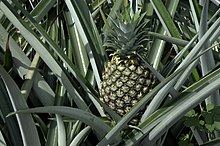
Black Pepper Pineapple (vegan)


Cooking skills focus: Balancing flavors

Ingredients:
1/2 pineapple, diced
1 tiny pinch salt
a couple good pinches of black pepper, preferably freshly ground

Instructions:
1. Toss the pineapple with the salt and black pepper, and leave to macerate (break down and exude its own syrup) for 15 minutes. Serve as-is, or over ice cream or cake.

Is this even a recipe? I almost feel silly writing it down, it's so simple.

Monday, August 23, 2010

Summer Afternoon Sandwich


*Written for Clean Greens Farm & Market*

makes about four little sandwiches

Ingredients:

2 T olive oil
½ medium red onion, thinly sliced
½ lb crimini mushrooms, cut in half & thinly sliced
3 cloves garlic, peeled & thinly sliced
½ bell pepper, julienned (cut into thin strips)
6 sprigs thyme, rinsed & picked off the stem
1 c. cherry tomatoes, cut in half

½ lemon, juiced
½ c. parsley leaves, rinsed & coarsely chopped
salt & black pepper TT (TT=to taste*)

½ baguette, cut into 4"-5" segments and then cut in half lengthwise

Instructions:

1. Heat a large saute pan over high heat. Once hot, add the olive oil. Then add the onion and brown for one minute.
2. Add the mushrooms, tossing to combine with oil and onion. Reduce heat to medium. Cook for 6-8 minutes, until the mushrooms have cooked down and the onion is translucent.
3. Add the garlic and bell pepper and cook for 2-3 minutes, until they are just tender. Mix in the thyme and tomatoes and cook 3-4 minutes more, unti lthe tomatoes have broken down a bit. Turn off the heat. Add the lemon juice and parsley, and season with salt and pepper.
4. Allow this filling to cool slightly before assemblin the sandwiches, then serve. Enjoy with friends! mmm…

*Note: "To taste" implies that you taste your food before you serve it to make sure it's seasoned properly. If you're not already in the habit of doing this, get into the habit! It makes a big difference in your results.

Monday, July 19, 2010

Black Olive & Cashew Tapenade

from the last Pike Market Community Kitchen

Ingredients:
2 cans black olives
1 tin anchovies, drained (with or without capers included; we used one with capers)
1/2 head garlic, peeled & rough chopped
2/3 C cashews
1/2 bu parsley, rough chopped
1 C olive oil
1 lemon, juiced
black pepper to taste

Instructions:
1. Pulse all ingredients together in a food processor until blended but still a bit chunky. Serve over toast, as a dip for vegetables or pita, or as a stuffing for meat or vegetables.

Caramelized Spring Onion Fried Eggs

I was pretty sure that you could caramelize spring onions. You totally can.


Ingredients:
1 t unsalted butter
2 small spring onions, sliced (or one large one; I had two small red ones)
1 T water
1 T unsalted butter
2 eggs
salt and pepper TT
about 1 oz cheese, sliced (I had Comte)

Instructions:
1. Preheat oven to 350.
2. Heat a large saute pan over high heat and add the teaspoon of butter. Quickly add the the onion and allow to blacken slightly, for about 2 minutes.
3. Reduce heat to medium, add the water and the remaining butter. Add a little salt to help break the onion down and encourage caramelization.*
4. Add the eggs and season.
5. Cook for a couple of minutes per side, but be careful!

Yeah, when you already have stuff in the pan and you add eggs to fry, the stuff makes it a lot more likely that the yolk will rupture if, like me, you're a little clumsy. Whatever; melted cheese covers all mistakes.

6. Transfer to a plate, cover with cheese slices, and put in the oven for about 5 minutes or until the cheese is melted.

*Nerd alert: Salt ruptures the cell walls in all food, allowing the water inside to escape. Once the water pretty much leaves the item, it can cook at a higher temperature, because water keeps the temperature at its evaporation point, 212 degrees F, and caramelization usually happens at over 300 degrees F.

Thursday, July 1, 2010

Pasta in Broth with Fresh Peas


this is a condensed-format recipe, designed for a pocket recipe book called "Learn to Cook" I made and gave out to random people at the Pike Market for a few months in 2009. some of the ingredients may be difficult to find outside of the market, and can be substituted or disregarded.

serves 2 (or 4 as a 1st course) for under $10

1 lb English peas [shell]

[boil 2 qts water for the pasta, add salt until the water tastes as salty as the ocean, about 1/4 C kosher salt]
1 lb pasta, any
[cook pasta in boiling water according to directions. drain and toss with olive oil or butter and set aside.]

1 pt Delicious Stock
shelled English peas (above)
3 sprigs thyme [pick leaves & rough chop]
1 t kosher salt
2 pinches fresh ground pepper
[combine in a saucepan, cook on medium 5 minutes or until the peas are just done.]

1/2 lemon [juice]
[add to saucepan, add the pasta to warm it, taste & serve.]